
Avoiding Hidden Structural Problems in Older Homes


Older homes have a charm and character that newer builds often can’t replicate — solid craftsmanship, unique details, and a sense of history. But beneath the surface, time can take its toll. Structural issues can quietly develop over decades, and without careful inspection, they may remain hidden until a renovation or major repair brings them to light.
If you’re planning to buy, remodel, or maintain an older property, here’s what you need to know about spotting and avoiding hidden structural problems before they become costly surprises.

Foundation Issues
The foundation is literally the base of your home’s stability. Cracks, settling, or moisture damage can lead to uneven floors, sticking doors, and visible wall cracks. In older homes, these problems may be due to outdated building techniques or natural soil movement over time.
What to do:
Look for gaps between walls and floors or windows that no longer fit their frames.
Have a professional evaluate foundation cracks — not all are serious, but large or widening cracks should be addressed quickly.
Ensure proper drainage around the home to prevent ongoing water intrusion.

Termite and Wood Rot Damage
Wood framing, support beams, and floor joists are vulnerable to moisture and pests. In humid climates, wood rot and termite damage are among the most common hidden issues found in older homes.
What to do:
Check for soft spots in wood trim, flooring, or beams.
Look for mud tubes or small holes in wood, which can indicate termite activity.
Schedule regular pest inspections, especially if the home has been vacant or in damp conditions.
Sagging Roof or Ceiling Structures
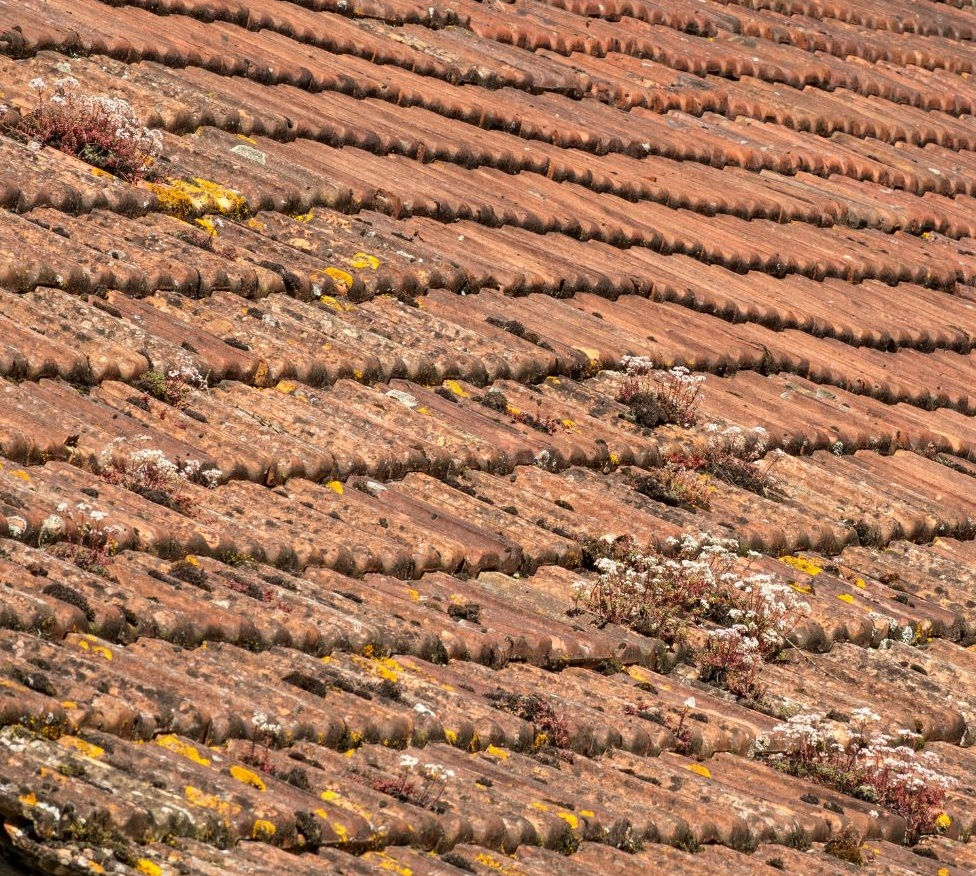
Over the years, roof framing and ceiling joists can weaken due to moisture, poor ventilation, or simply age. A sagging roofline or ceiling cracks may suggest compromised structural integrity.
What to do:
Examine the roofline from outside — it should appear straight, not wavy or dipping.
Inside, note any sagging or bowed ceilings.
A qualified contractor can inspect the attic structure to ensure the rafters and supports are sound.

Outdated or Compromised Load-Bearing Walls
Remodels done decades ago — especially DIY projects — sometimes involved removing or altering load-bearing walls without proper reinforcement. That can lead to uneven floors, cracked drywall, and even structural failure over time.
What to do:
Before removing or altering walls, always consult a licensed contractor or structural engineer.
Watch for cracks above doorways or sloping floors — both can signal shifting loads.

Moisture and Drainage Problems
Poor drainage, leaky plumbing, or failing gutters can all contribute to hidden water damage in crawl spaces, basements, and wall cavities. Left unchecked, moisture weakens framing and fosters mold.
What to do:
Make sure gutters and downspouts are clear and direct water away from the foundation.
Inspect basements or crawl spaces for dampness, mold, or musty odors.
Waterproofing systems or improved grading may be needed for long-term protection.

The Value of a Professional Inspection
Even if a home looks well-maintained, a licensed home inspector or structural engineer can spot early warning signs that aren’t visible to the untrained eye. It’s one of the best investments you can make before committing to a purchase or major renovation.
Bottom Line
Older homes offer incredible potential, but hidden structural problems can quickly turn that dream project into a financial headache. Regular inspections, preventative maintenance, and working with experienced contractors can help you preserve your home’s beauty — and its stability — for generations to come.


